Center for Neurobehavioral Development Clinical Research Center

Center for Neurobehavioral Development (CNBD) Clinical Research Center: The Center for Neurobehavioral Development (CNBD) advances brain and behavior research by reducing barriers to high-quality clinical science. We provide researchers with expert consultation and training, as well as access to state-of-the-art facilities, equipment, and assessments. Our team of specialists supports rigorous study design and high-fidelity data collection across clinical, developmental, and experimental domains. By coordinating across the MIDB Hubs and broader University of Minnesota community, the CNBD serves as a core resource for clinical research activity and fosters innovation through interdisciplinary collaboration.
Jump to: How We Engage | Team | Engagement Examples | Connect With Us
Our Expertise
The CNBD has assembled a team of experts to 1) optimize clinical, developmental, and experimental assessment of research participants; 2) train researchers on state-of-the-art and/or gold standard clinical, developmental, and experimental assessments; 3) execute clinical, developmental, and experimental assessments for research studies. We also support EEG and eye tracking data collection, and can provide consultation on processing and data analyses.
Our Directors

Jed Elison, PhD, Co-Director, CNBD and Professor, Institute of Child Development
Amy Esler, PhD, LP, Co-Director, CBND, Director, Clinic Research Integration Hub, and Professor, Department of Pediatrics
How We Engage
Space and Equipment
Research space:
- 26 research testing rooms, 4 with adjoining observation rooms
- Research suites for materials storage and staff workstations
- Children’s playroom for participant comfort and engagement
- Specimen processing and storage rooms
Research equipment:
- 2 high density (128 channel) EEG systems
- Tobii Pro Spectrum TX300 eye tracker
- Standard cognitive and neurodevelopmental assessment batteries
- PeaPod and BodPod Air Displacement Plethysmography (ADP) systems
- GE Lunar iDXA machine
- -80°C and -20°C freezer storage
- Stadiometer and blood pressure monitor
- In-ceiling Axis cameras with recording capability via Milestone XProtect software
Our Team


Jed Elison, PhD
Co-Director, CNBD
Professor, Institute of Child Development

Jess Emerick
CNBD & MRI Technician

Amy Esler, PhD
Co-Director, CNBD
Director, Clinic Research Integration Hub
Professor, Department of Pediatrics

Hteemoo Haas
CNBD Technician

Emma Karras
CNBD Technician

Desirae Rambeck, MA
Senior Psychometrist

Jacqueline Roueche
CNBD Technician

Michael-Paul Schallmo
Assistant Professor, Department of Psychiatry

Hannah Shryer
CNBD Project Manager

Examples of Our Engagement
Infant Brain Imaging Study (IBIS)
The IBIS Network is a multi-site collaboration investigating early brain and behavior development in infants with an elevated likelihood of autism and other developmental differences. Using advanced MRI and developmental assessments, researchers aim to better understand how brain development relates to later outcomes.The CNBD supports these efforts with EEG and ERP data acquisition.
Newborn Screening for Congenital Cytomegalovirus (cCMV)
Recently, Minnesota became the first state in the country to conduct universal neonatal screening for cytomegalovirus (CMV). CMV is common but is dangerous to babies, increasing risk of neurodevelopmental delays, hearing loss, and seizures among other health problems. UMN faculty have been leaders in researching cCMV, educating parents and policymakers on the impact and treatment of cCMV, and leading a study to characterize cCMV. The CNBD is supporting these efforts with:
- Consultation on assessment battery
- Execution of clinical assessments
We also intend to conduct a prospective study of infants who are asymptomatic for cCMV. Infants will participate in phenotyping assessments at 12, 24, and 36 months of age and MRI brain scan at 12 months of age. Our aims intend to determine if AcCMV infants are different from control on neurodevelopmental measures (specifically white matter) and brain x behavior associations. We also intend to identify predictors of SNHL (sensorineural hearing loss) in infants who are AcCMV.
HEALthy Brain and Child Development (HBCD) Study
The HBCD study is currently the largest, long-term study of early brain and child development in the United States. HBCD collects information beginning at birth and through early childhood, including anthropometrics (growth measures); medical and family history; biospecimens (samples such as urine and blood); and social, emotional, and cognitive function. Structural and functional brain imaging are also done to help see the different parts of the brain and measure activity.
The CNBD supports these efforts with:
- Execution of clinical assessments
- EEG data acquisition
- Phenotypic consultation and data collection oversight
Additional Services
Experimental Assessment Consultative Committee (Coming Soon)
The CNBD is planning to establish the Experimental Assessment Consultative Committee (EACC). The EACC will be constituted by key external experts to ensure that MIDB hubs are leveraging broader expertise.
Training Workshops
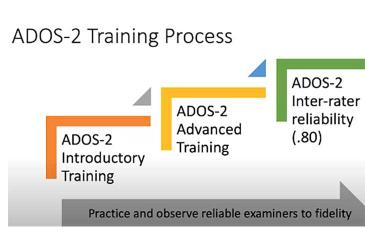
Numerous training opportunities are available to prepare study team members for clinical research. Learn more about training workshops
Learn More
Read more information about the CNBD or contact us at [email protected].